Ukraine is combat-ready, but the Baltic is at risk. Why Europe isn't prepared

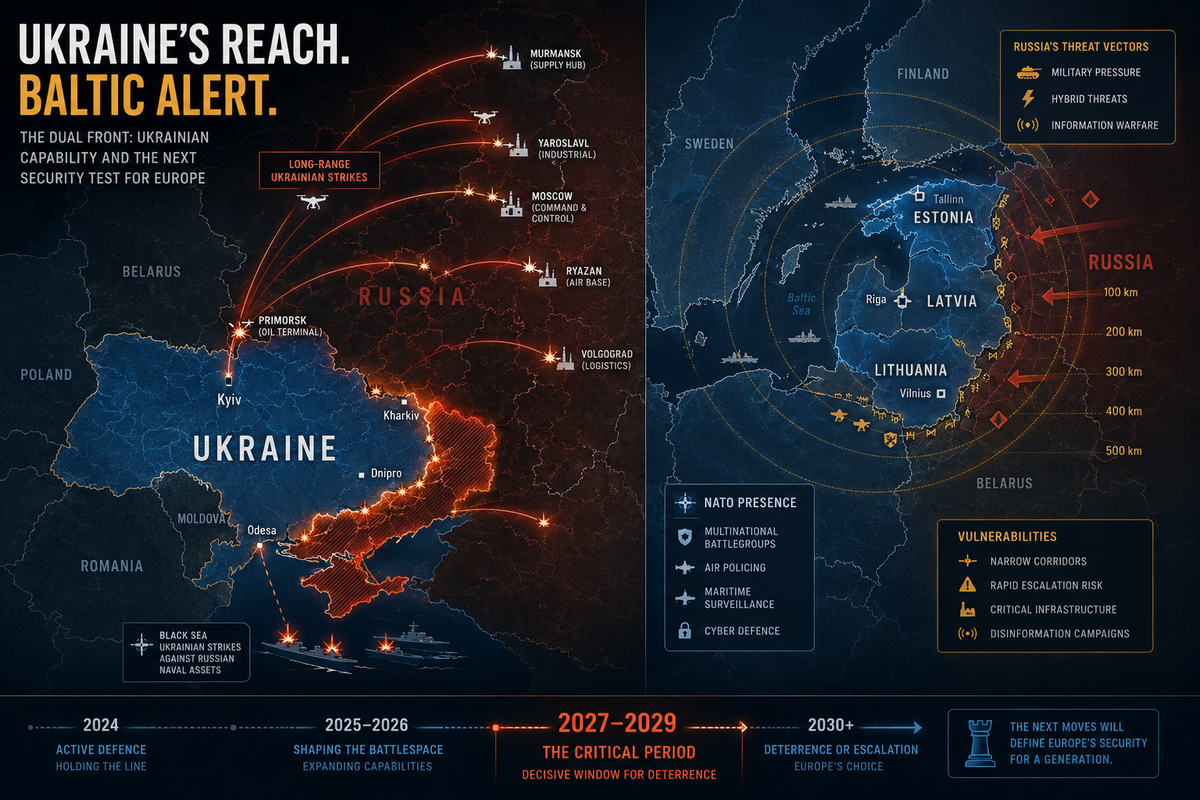
The fact that hundreds of explosions detonate daily across Ukraine's front lines, and generals plan campaigns months in advance, has long ceased to surprise anyone. After nearly five years of conflict, the world has grown accustomed to the statistics: 234 combat engagements per day, personnel losses that rival the GDP of small nations, tactical innovations reshaping the very nature of modern warfare. But what should genuinely trouble the architects of European defence strategy is not happening on Ukrainian soil—it is unfolding in the planning rooms of Russia's General Staff.
Russia, stretched across the Ukrainian front, remains a formidable strategic actor with reserves of capability and intent. Roughly 90 percent of its combat power is committed to Ukraine—a figure that seems persuasive at first glance. Yet it tells another story entirely: ten percent of Russian military capacity is sufficient to create catastrophic problems in places where defences are thinnest.
Over the past three months, analysts in Washington and Brussels have issued warnings with mounting urgency. In a closed Congressional session, an American defence official told lawmakers something that European strategists have whispered for years: an end to the Ukrainian conflict does not mean an end to Russian aggression—it means its redirection. The map remains unchanged, but the target shifts.
Kyiv demonstrates that defence is possible
The current picture on the theatre of war bears little resemblance to the grim forecasts painted by Atlantic strategists two years ago. Ukraine is not merely holding its lines—it is breaking them.
Over the past month alone, Ukrainian forces have not only halted Russian advances along key sectors but recaptured territory in Zaporizhzhia and Donetsk oblasts. These operations, often proceeding with minimal media attention, convincingly demonstrate that Ukrainian military potential continues to evolve. The command of the Armed Forces of Ukraine has mastered not only conventional tactics but asymmetric responses calibrated to exploit Russian weaknesses rather than confront Russian strength.
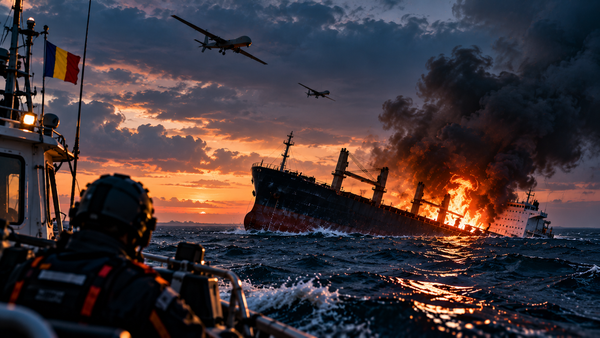
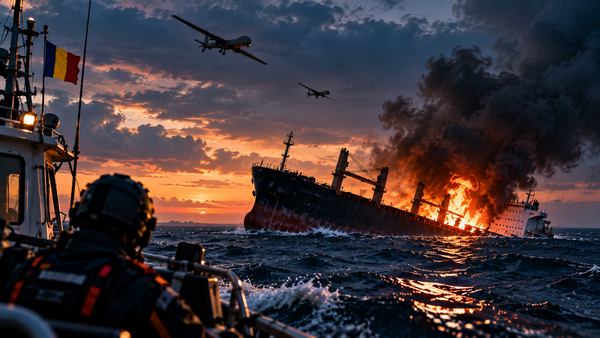
Deep strikes represent a second dimension of this evolution. Last week, President Zelenskyy announced a succession of successful attacks on Russian naval assets, including a Karakurt-class missile corvette, patrol vessels, and shadow fleet tankers ferrying Russian oil in circumvention of sanctions. These strikes occurred near Primorsk in Leningrad Oblast—over two thousand kilometres from the front line.
The numbers emerging from battlefield commands speak plainly: Ukraine's offensive against Russia's export capacity has destroyed approximately 40 percent of its oil output under sanctions. This is not symbolic. This is logistics, economics, and the machinery of war. When Ukraine destroys tankers and pumping stations deep within Russian territory, it does not merely strike military targets—it strikes Moscow's ability to sustain the conflict.
The northern flank awaits
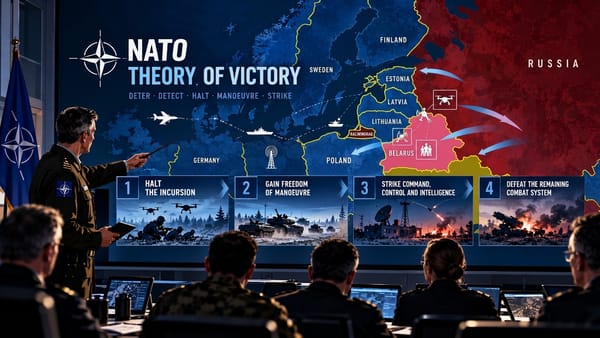
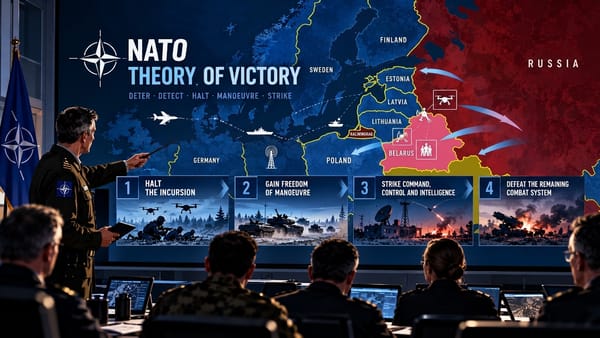
Return to those Washington briefings, and the narrative of the future begins not in Kyiv. American intelligence and defence planners direct their gaze northward—to the Baltic, where geography, geostrategy, and European complacency collide in a dangerously confined space.
The commander of Latvia's defence forces addressed parliament recently with an assessment that reads as a warning: Russia will possess a "window of opportunity" for large-scale military action against NATO between 2027 and 2029. The word "window" sounds bureaucratic, yet it denotes something precise—the period during which the Russian military, unburdened from Ukraine, will regroup, rearm, and initiate new operations along NATO's northern frontier.
The hybrid war has already begun. In early May, drones originating from Russian territory penetrated Latvian airspace—not the first such incident, but instructive nonetheless. Swedish defence officials warn of possible Russian operations on small Baltic islands, not aimed at territorial conquest in the strategic sense, but at testing—testing NATO cohesion, the firmness of Western response, the resolve of allied partners.
This is old Russian craft: probing borders, searching for seams in the alliance, determining whether every NATO member will respond with equal speed to threats. The Baltic states—Lithuania, Latvia, Estonia—are vulnerable precisely because they are small, because they bear the historical imprint of Russian influence, and because NATO's northern flank is thinner than its southern.
Readiness as a question of time
Europe is confronting something painful: existing in a state of constant readiness for a conflict that may begin whenever a neighbour decides to initiate it is not a temporary condition. It is the new normal.
Ukrainian capacity to hold ground and strike deep into enemy territory demonstrates that defence is possible—but only if it is prepared, armed, and developed over years, not months. Ukraine received support on a scale that allowed it to build an army under fire. The Baltic states will receive less, yet must prepare for full-scale conflict with an vastly larger adversary should Russian miscalculation lead it to test the alliance.
The mathematics is straightforward: the redeployment of Russian combat power northward will commence regardless of when and how the Ukrainian campaign ends. The question is not "whether" but "when"—and whether NATO will be ready.
Economics dictates investment in the northern flank, expansion of Baltic presence, and strengthening of rapid-response forces. This agenda is already being discussed in Brussels. But discussing readiness and being ready are not the same thing.
Europe erred once before in its assessment of Russia. From the 1990s through the 2020s, the continent behaved as though history had concluded. History did not conclude. It merely paused, during which the armed forces in Moscow rearmed and reconsidered. That pause is now contracting. In the Baltic, thousands of kilometres from Ukrainian trenches, hours are increasingly reckoned not in days but in years.