Resilience by Design: Why May 2026 Marked the Exhaustion of the Russian Offensive

May 2026 will be remembered not for thunderous breakthroughs, but as the moment the grim mathematics of attrition finally overruled imperial ambition. While Telegram channels competed for the fastest upload of battlefield explosions, a fundamental shift occurred on the grand strategic chessboard: Russia has lost the ability to convert numerical superiority into territorial gain.
The Geometry of Retreat
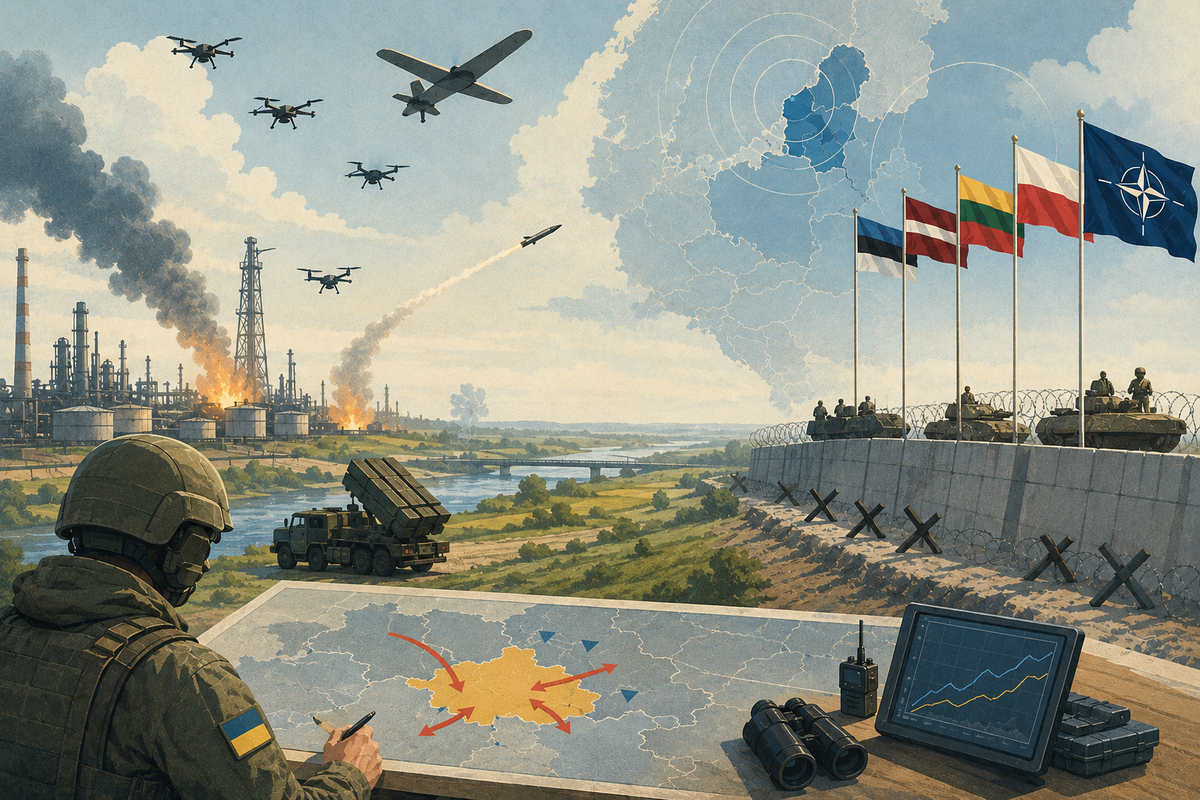
Statistics are unforgiving, even when shrouded in the fog of war. Throughout April and early May 2026, Russian forces suffered a net loss of 116 square kilometers of territory. This marks Moscow’s first monthly deficit since 2024. Where the offensive previously relied on a slow, relentless "grinding" of defenses, the trend has now reversed. In the Pokrovsk sector, assault waves are thinning, while near Slovyansk and Huliaipole, Ukrainian forces have effectively seized the initiative.
The 70% deceleration in the tempo of the Russian advance is not merely a product of infantry grit. For the first time, the aggressor's technical degradation has reached a breaking point. The loss of Starlink access and the Kremlin’s internal throttling of Telegram have fractured horizontal communication within Russian units. Without rapid drone coordination, a massive artillery advantage has been reduced to loud, but largely ineffective, noise.
The Economics of Deep Attrition
As the front stabilizes, Kyiv’s strategy has pivoted 1,500 kilometers to the east. The deployment of Flamingo missiles and systematic strikes on refineries—specifically in Cheboksary and Perm—are not acts of desperation, but cold economic disinfection. Every dollar Ukraine invests in long-range systems inflicts ten dollars in damage.
The deactivation of 20% of Russia’s oil refining capacity creates a paradox for the Kremlin: it cannot capitalize on high global oil prices fueled by Middle Eastern instability. Ukraine is quite literally "burning" the aggressor’s profits inside its own plants. With a 2026 defense budget of $55 billion—a 55-fold increase since the start of the invasion—Kyiv is no longer a mere recipient of Western aid. It has become an autonomous factory of high-precision retribution.
The Trump Truce and the Mirage of Negotiations
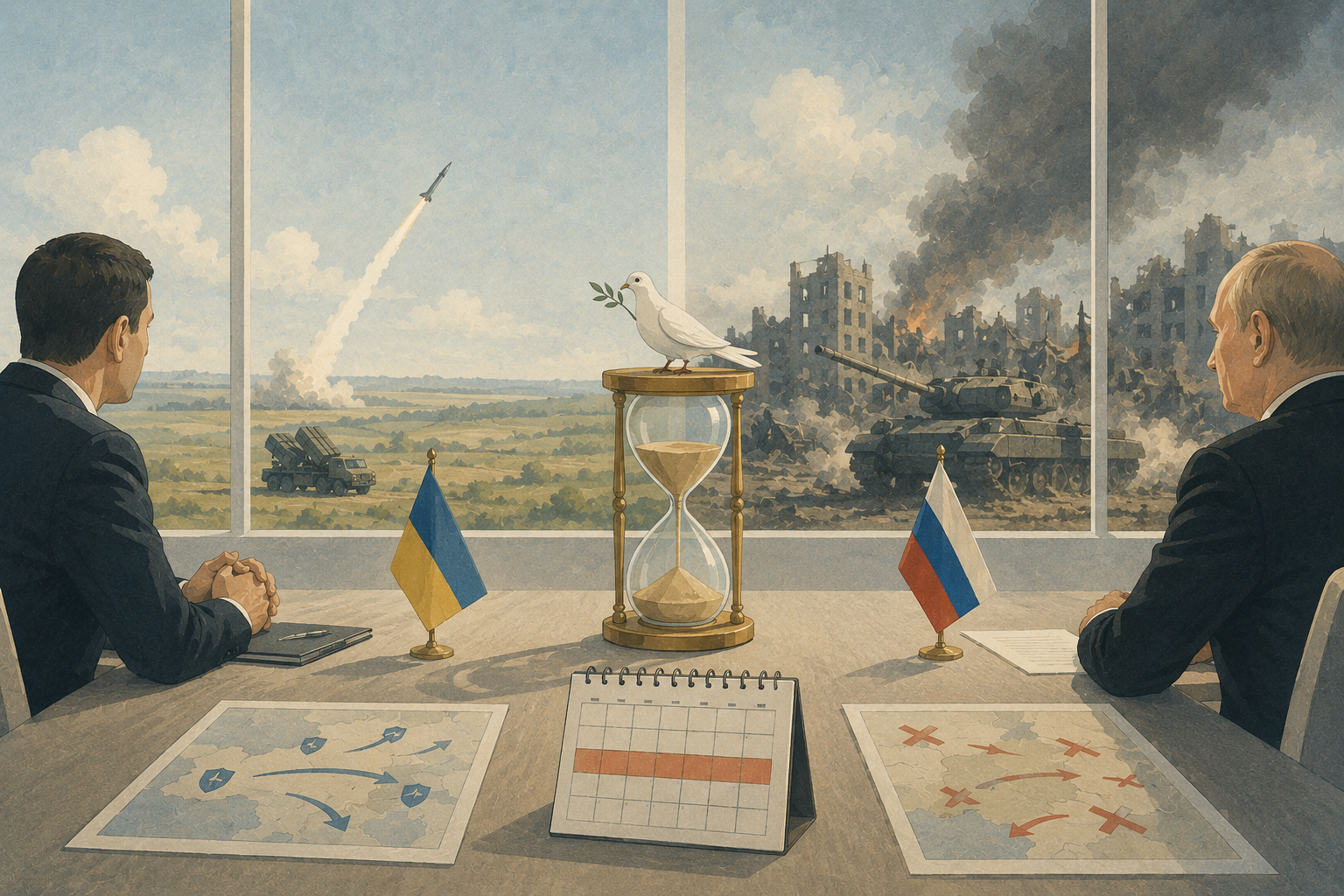
The three-day ceasefire initiated by Donald Trump from May 9th to 11th served as a litmus test for the actual state of affairs. Telegram erupted with reports of tactical violations, but at the strategic level, the core bargain held: Ukraine abstained from deep strikes, and Russia refrained from large-scale aerial incursions.
For Putin, this truce is a forced pause. Russian casualties, reaching a staggering 1.3 million (including wounded), make the reality impossible to ignore. Moscow is attempting to sell Trump the image of an "inevitable victory," but empty parade grounds and a stagnant front suggest otherwise. The Kremlin is not seeking peace from a position of strength; it is looking for an exit from a game where the cost of holding every square kilometer has become exponential.
The Baltic Ghost
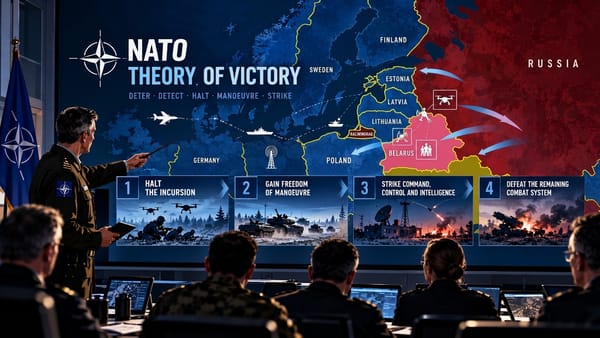
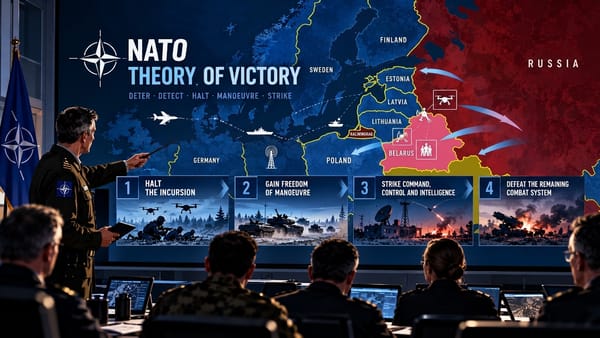
Amidst the Ukrainian stabilization, talk of a threat to the Baltics has resurfaced. Latvian military leadership points to a "window of opportunity" for Russian aggression between 2027 and 2029. However, the lessons of May 2026 suggest this window is slamming shut.
Unlike the projections of a decade ago, NATO’s eastern flank is no "paper tiger." A Russian army bled dry in the Ukrainian steppe lacks the capacity for a large-scale adventure against an Alliance that could respond with a total blockade of Kaliningrad and the final collapse of the remaining Russian economy. By holding the line, Ukraine has become a shield that has turned a "Baltic Blitzkrieg" into a theoretical staff exercise rather than a credible threat for the decade.
The Verdict
Ukraine in May 2026 is a state that has learned to fight the "long war." Significant challenges remain, from radical mobilization reforms to the absorption of the EU’s $90 billion support package. But the primary result is clear: the Russian offensive machine has broken against its own inefficiency and Ukrainian innovation. The war has entered a phase where victory goes not to the side with more men, but to the side whose logistics prove resilient against deep strikes. In this game, time has finally begun to work against the Kremlin.
#eng