Anatomy of Attrition: Why May 2026 Marked a Strategic Deadlock for the Kremlin

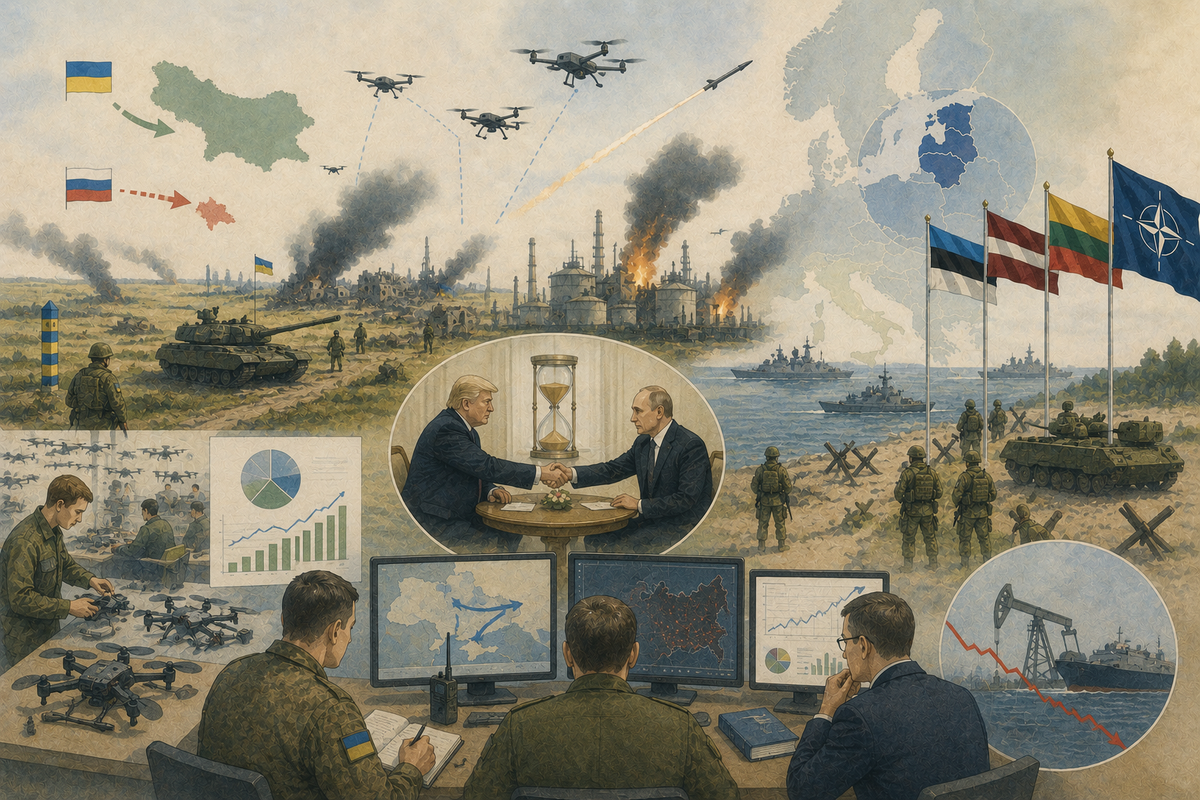
May 2026 will be remembered not for grand territorial conquests, but as the period when the cold mathematics of war finally overruled imperial will. While Russian propaganda attempts to sell a narrative of "inevitable victory," the hard data and frontline dynamics suggest the opposite: Moscow has lost its strategic momentum, and the war has entered a phase of high-tech exhaustion where the depth of a strike carries more weight than the width of a front.
The Geometry of the Front: Mathematics vs. Myths
At first glance, the intensity of combat remains staggering—over 210 engagements recorded in a single day this May, with the epicenter shifting toward Pokrovsk and Kostiantynivka. Yet, beneath this noise lies a crucial trend: the Russian offensive is stalling. Over the past year, the Russian army has failed to achieve a single significant operational breakthrough. Furthermore, during the winter and spring of 2026, Ukrainian forces reclaimed more territory (notably near Kupyansk and in the south) than the Russians managed to seize in the entire month of April.
In the Zaporizhzhia region, Russia’s 58th Army was forced to pull reserves away from the regional capital toward Orikhiv. This is a tacit admission that their straightforward tactical approach has failed; without holding Orikhiv as a defensive hub, a push toward Zaporizhzhia has become physically impossible for Moscow. Ukraine is not merely holding its positions; it is systematically annihilating Russian gains made in mid-2025.
Daytime Terror and Economic Disinfection
The shift in Russian shelling tactics—from nighttime raids to daytime strikes observed in April and May—is a sign of a sober but cynical calculation. Utilizing mass drone swarms (up to 100 units at a time) to oversaturate air defenses before missile strikes aims not only to destroy the power grid but to inflict maximum psychological pressure in real-time.
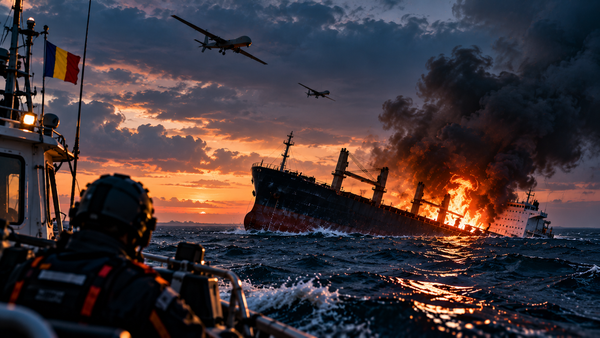
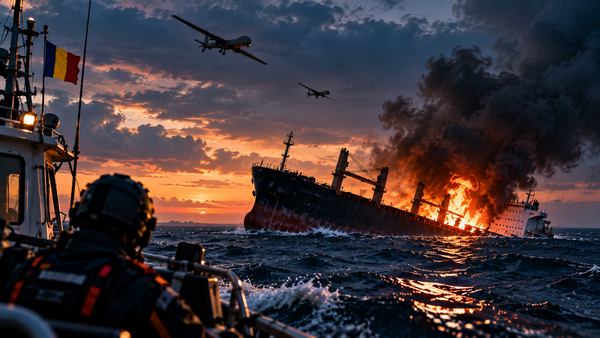
However, Kyiv has found an asymmetric response. The Ukrainian campaign against the Russian hinterland has evolved into a multi-layered operation. In April alone, Ukraine deprived Russia of approximately $7 billion in oil revenue. While an 11–12% reduction in oil refining is not an immediate "knockout," it creates a cumulative effect of operational interference. When logistics at a depth of over 100 km become vulnerable to Ukrainian drones, the Russian Federation's ability to conduct new offensives degrades faster than it can be restored.
The Theater of Truce and Diplomatic Fog
The May truce, organized through the mediation of Donald Trump, served as a litmus test for the true intentions of both sides. While Telegram channels reported thousands of violations, the strategic reality was more nuanced. Although skirmishes continued on the line of contact, the truce held in strategic depth: Ukraine abstained from long-range strikes as long as Russia refrained from large-scale daytime attacks.
Putin’s claims that the conflict is "coming to an end" should not be mistaken for a readiness for peace. It is rather an attempt to soothe the internal elite and buy time for regrouping. The Kremlin has not retreated from any of its maximalist demands, but its resources are depleting. According to Finnish President Alexander Stubb, seizing just the Donbas at current rates would require Russia another two years and 800,000 soldiers—a resource Moscow cannot expend without risking internal collapse.
The Triumph of Dronization and Baltic Calm
The greatest success of the Ukrainian defense industry in 2026 has been the transition from a few artisanal workshops to over 200 companies producing millions of drones annually. British commitments to deliver 120,000 drones by the end of the year only reinforce this trend. Ukraine is becoming the most "dronized" army in the world, rendering Russia's traditional tank-led offensives an anachronism.
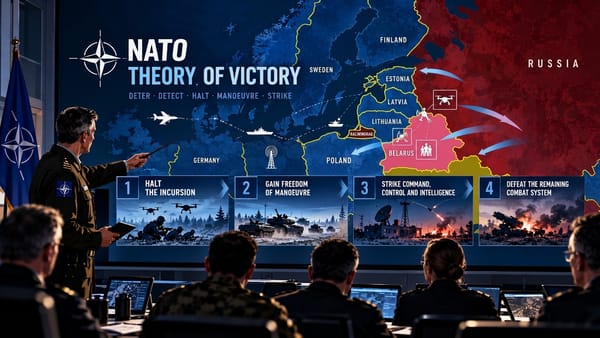
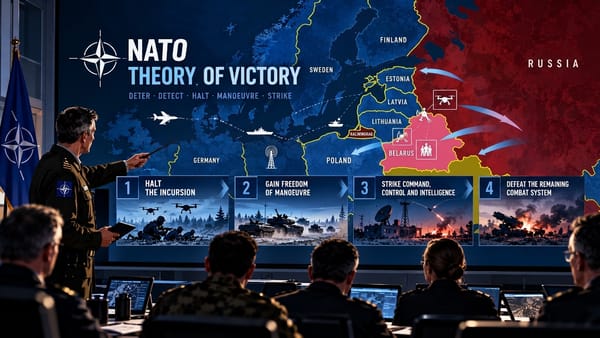
Against this backdrop, panic regarding an imminent Russian invasion of the Baltics appears premature. The "Baltic Shield 2026" exercises demonstrate NATO's readiness, but the reality is that the Russian army is far too exhausted by the Ukrainian front to open a second one. Article 5 of the Alliance is currently protected not just by paper, but by the resilience of the Armed Forces of Ukraine.
The Verdict
Ukraine is not losing this war on the battlefield. Russia has pivoted to a strategy of attrition because traditional methods of warfare no longer yield results. The future will be decided in a triangle: the stability of the Ukrainian energy sector, the scale of Western aid ($60 billion from NATO in 2026), and Kyiv’s ability to continue the destruction of the Russian economy.
Telegram may accelerate news by 12 hours, adding unnecessary drama, but the objective data remains unchanged: Russia is exhausted, Ukraine is becoming technologically superior, and the Baltics can afford to be vigilant but not intimidated. Time has ceased to be an ally of the Kremlin.