Two Percent of the Cost: Ukraine's New Defense Minister Formalizes the Economics of Deep Strikes

Baltic Security Monitor | Geopolitical Commentary Based on a Material OSINT Update, 29 July 2026, 20:00
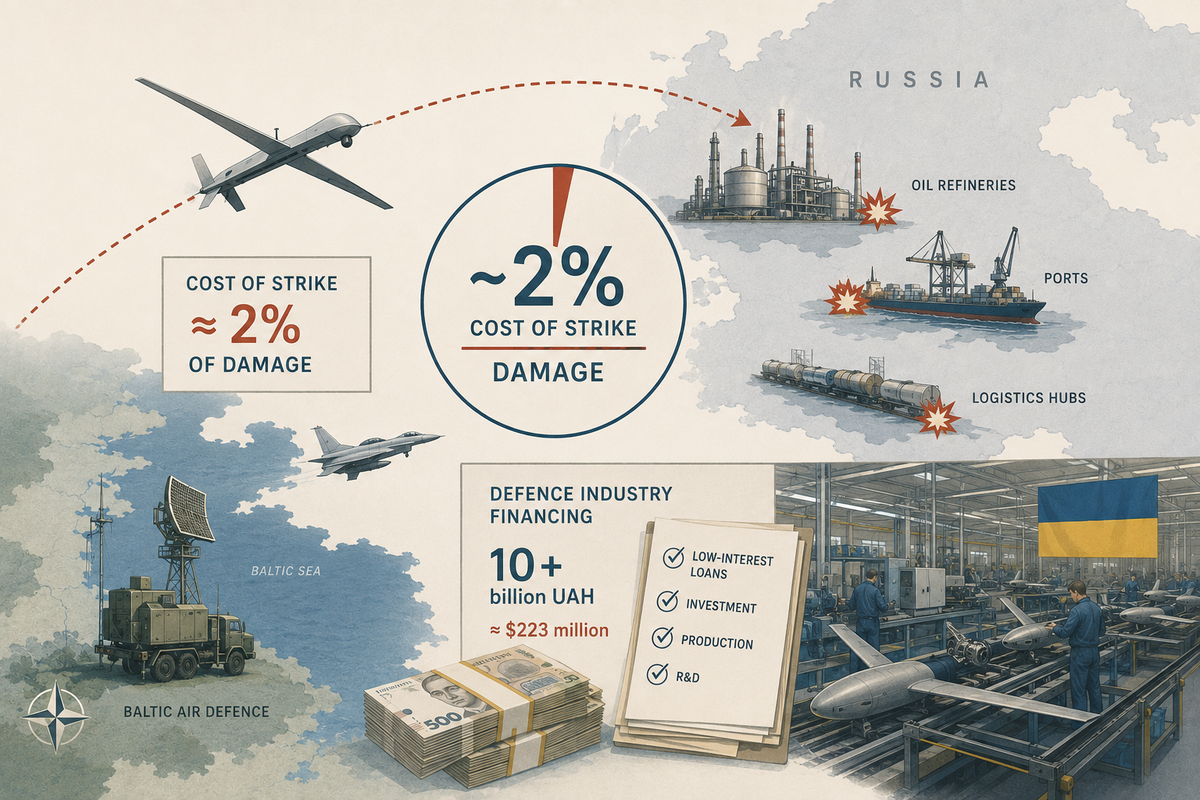
For the first time, a strategy Ukraine has already been running for a year has been spoken aloud as a financial formula: the cost of a strike should run at roughly 2% of the damage it inflicts. This isn't a new campaign — Ukraine was already hitting Russian refining and logistics. What's new is that the incoming defense minister has, for the first time publicly, turned the tactic into an explicit economic planning principle — and did so in his first week on the job.
What the New Minister Said
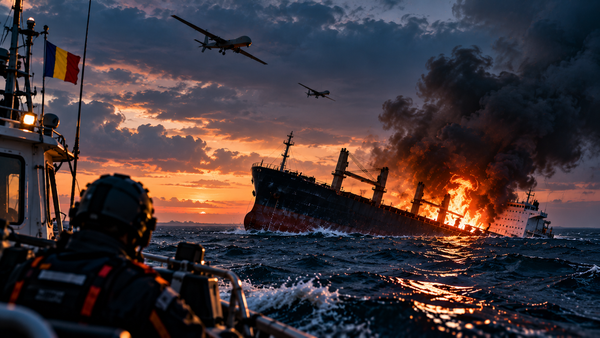
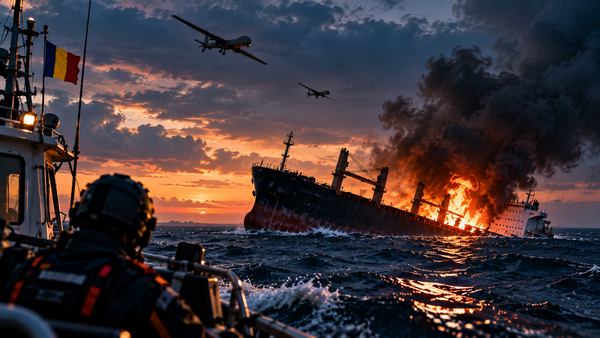
Acting Defense Minister Yevhenii Khmara, who took over last week after Volodymyr Zelenskyy removed Mykhailo Fedorov (dismissed over clashes with then-commander-in-chief Oleksandr Syrskyi, who was subsequently dismissed too), gave his first interview in office — to American blogger Laura Loomer. His core line: "We can't go punch for punch. We have to be asymmetric." The goal is to keep the cost of Ukraine's long-range operations at roughly 2% of the damage they inflict on Russia, including deep strikes against Russia's strategic bomber fleet (which included Operation Spiderweb, carried out by the unit Khmara previously commanded, before his appointment). Priority targets are oil refineries, transportation hubs, and other nodes sustaining Russia's war economy — not civilian infrastructure, which Khmara said Russia deliberately targets.
Khmara previously led the SBU's elite Alpha special-operations unit and, since January, headed the SBU itself before taking the defense portfolio.
The Second Concrete Change: Credit-Based Scaling of the Defense Industry
Ukraine's Defense Ministry says domestic manufacturers have already drawn 167 preferential loans worth more than 10 billion hryvnias (roughly $223 million), of which 12 loans have already been fully repaid. Companies can borrow up to 500 million hryvnias for investment projects over five years, or up to 100 million hryvnias for working capital over three years. The rate for manufacturers is 5% annually, with the state covering the rest. Funds may go toward developing, producing, repairing, modernizing, and disposing of weapons, ammunition, and components. This shifts defense-industry support from a largely contract-based model into a broader system of production-capacity financing — alongside financial-leasing programs and the Defence City regime, the ministry noted.
Why It Matters for the Region
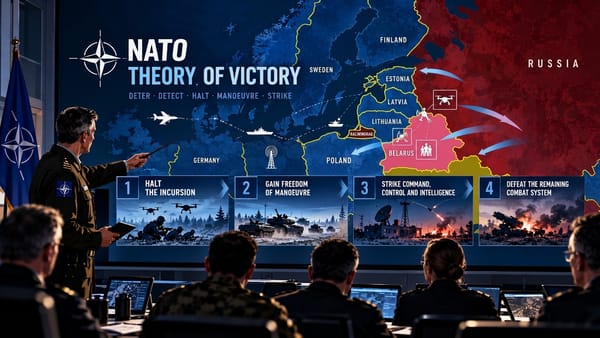
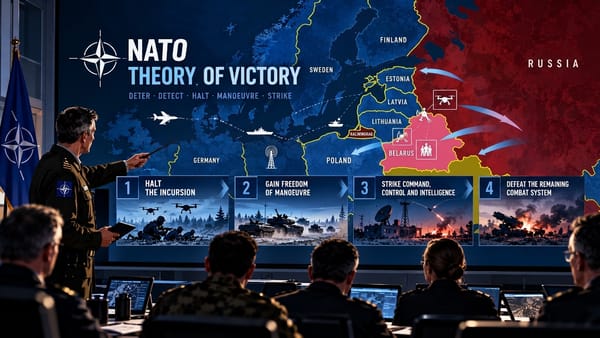
Together, the two signals form a more coherent picture of Ukrainian strategy: cheap long-range strikes on expensive Russian infrastructure, plus credit-driven scaling of Ukraine's own strike, drone, and munitions capacity. For the Baltic region, this has direct relevance because a substantial share of potential targets for such a campaign sit in northwest Russia — oil terminals, ports, logistics hubs, and military facilities in Leningrad Oblast and around the Gulf of Finland. More intensive Ukrainian operations in that direction could increase drone flights near the airspace of Estonia, Finland, Latvia, and Lithuania, adding strain to the Baltic Air Defence system.
BSM Assessment
Formalizing the "2% cost" doctrine isn't a tactical news item — it's a signal that asymmetric deep strikes are now an explicit, measurable planning principle for the new Defense Ministry leadership, not a byproduct of individual operations. Paired with the shift of industry support toward a credit model, this reduces Kyiv's dependence on the pace of individual Western deliveries and builds an industrial base that European states could support through loans, joint ventures, and direct procurement from Ukrainian manufacturers.
Likely Consequences
- Increased intensity of strikes on Russian oil and transport infrastructure;
- More orders for long-range drones, electronic-warfare systems, and munitions;
- A further shift of the war from a contest of weapons volume to a contest of cost-per-strike efficiency;
- More frequent air-raid alerts and interceptions along NATO's northern borders if strike routes pass through northwest Russia;
- Intensified Russian efforts to defend ports and oil facilities with electronic-warfare countermeasures — which could itself raise the risk of drones drifting toward neighboring states.
Conclusion
The new defense minister didn't announce a new campaign — he put a price on the one already underway. Once an asymmetric strategy comes with a numeric ratio (2%) and a credit infrastructure ($223 million and growing), it stops being a field commander's tactical choice and becomes state economic policy for the war. For BSM, that means the routes and frequency of Ukraine's deep strikes are now worth tracking not as isolated incidents, but as a function of budget, credit limits, and production capacity — figures that are now public and monitorable.
Baltic Security Monitor (osint-baltic.com) — an analytical publication covering security on NATO's northeastern flank.