Trump Tells Zelenskyy to Stop Striking Russian Diesel Infrastructure: The First Public U.S. Pressure on a Specific Ukrainian Deep-Strike Target Set


Baltic Security Monitor | Analytical Briefing Event: 13 September 2026 · Published: 14 September 2026
The key distinction matters: Trump did not ask Kyiv to stop long-range strikes on Russia in general — he publicly named a specific category of targets he wants excluded and said he'd already conveyed the request to Zelenskyy directly. This is the first time an American president has publicly and specifically pressured one of Ukraine's most effective tools of economic warfare against Russia, rather than speaking abstractly about "escalation" or "strikes deep inside Russian territory."
What happened
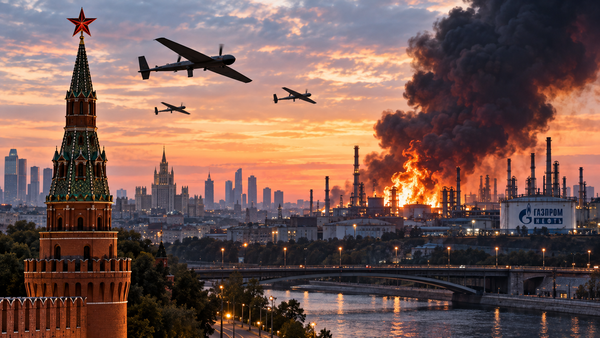
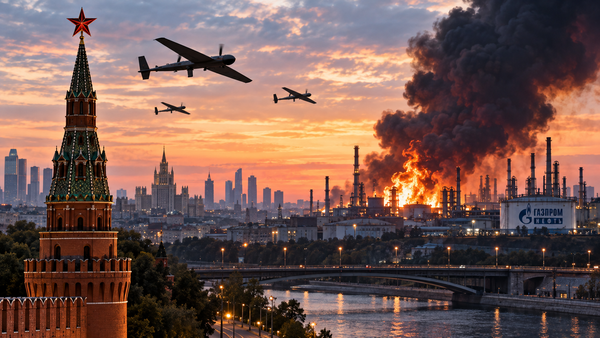
On 13 September, speaking at his golf resort in Doonbeg, Ireland, U.S. President Donald Trump publicly called on Ukrainian President Volodymyr Zelenskyy to stop attacking Russian diesel infrastructure, saying the strikes were contributing to a global diesel shortage and "hurting the world." Trump said he had already discussed the matter directly with Zelenskyy. He specified: "Let him go after targets but not diesel fuel, because he's causing a shortage of diesel fuel."
The remarks came against a backdrop of record U.S. diesel prices — AAA put the national average at $6.20 a gallon, roughly 68% higher than a year earlier. Reuters and AP independently confirmed Trump's comments; the IEA notes that disruption to Russia's refining system is compounding a much larger global diesel shock driven by reduced Gulf exports amid the war with Iran.
BSM analysis: The key detail is specificity. Trump did not call for a blanket halt to long-range strikes inside Russia; he named diesel infrastructure specifically and explicitly said other targets remained acceptable. That distinguishes this signal from previous, more general calls for restraint, and turns it into a concrete political constraint on one of Kyiv's most consequential economic-warfare tools.
What's still uncertain
🟡 Trump's remarks by themselves don't establish a binding U.S. policy restriction, an aid condition, an intelligence cutoff, or a prohibition on Ukraine's use of its own domestically produced long-range systems. No enforcement mechanism was publicly announced alongside the statement.
🟡 If Washington converts this request into a formal condition on intelligence sharing, weapons support or diplomatic backing, the operational effect on Ukraine's deep-strike campaign would be substantially greater — but that hasn't happened publicly yet.
Notably, just the day before, at the Yalta European Strategy conference in Kyiv on Friday, Zelenskyy struck a strikingly different tone: "Ukraine is capable of responding to Russia for any of their operations... if they strike our energy system this winter, Russia will receive the exact same." That sits in tension with Trump's request and leaves open how Kyiv will balance the political need to preserve Washington's support against its own deterrence strategy.
Regional context
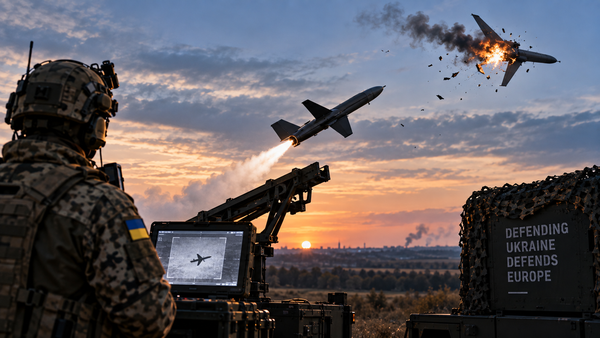
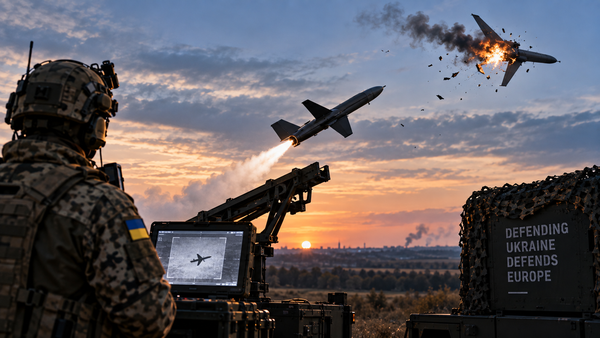
Strikes on Russian oil refining are one of the principal tools forcing Russia to disperse air-defense assets far from the front line rather than concentrating them around the Ukrainian theater. That's precisely what the IEA's 11 September report — which BSM covered separately — emphasized, explicitly linking its downgraded Russian oil-production forecast to the cumulative effect of Ukrainian strikes.
For the Baltic states and NATO's northeastern flank, the relevance is indirect but strategically significant. Baltic and Nordic defense planning increasingly treats Russia's military-economic regeneration capacity as part of the longer-term deterrence problem. If external political pressure materially curtails Ukraine's ability to damage Russian energy infrastructure, Moscow may retain more fiscal and logistical capacity for the war — and for rebuilding forces relevant to NATO's northeastern flank.
Bottom line
For now, this is a public political signal without a formal enforcement mechanism — and Zelenskyy had publicly reaffirmed his intent to respond symmetrically to Russian energy strikes just a day earlier. Whether Trump's request becomes a real constraint on Kyiv will depend on whether it turns into a concrete condition attached to support — not on the statement made at an Irish golf course itself.
Baltic Security Monitor (osint-baltic.com) — an analytical outlet covering security on NATO's northeastern flank. Compiled from open sources and BSM's automated OSINT monitoring system.