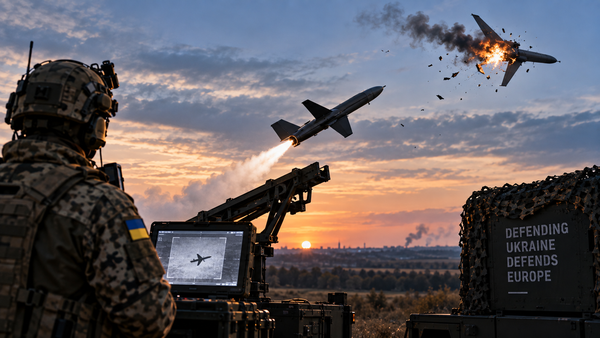
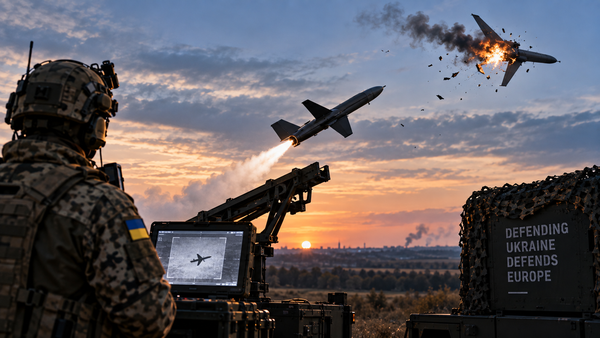
Poland Reinforces Dorohusk, Medyka and Korczowa After Russian Strikes Near the Border: Corridor Protection Moves Into Physical Infrastructure

Baltic Security Monitor | Analytical Briefing Event: 15 September 2026 · Published: 15 September 2026
What matters most here isn't the reinforcement itself — it's its geography. If Poland were only hardening Dorohusk, that could be read as a targeted response to the 13 September strike specifically. Instead, engineering work is proceeding simultaneously at three major crossings — Dorohusk, Medyka and Korczowa — which means Warsaw is treating the threat as a systemic vulnerability across its entire Ukraine-facing logistics network, not an isolated problem at one checkpoint.
What happened
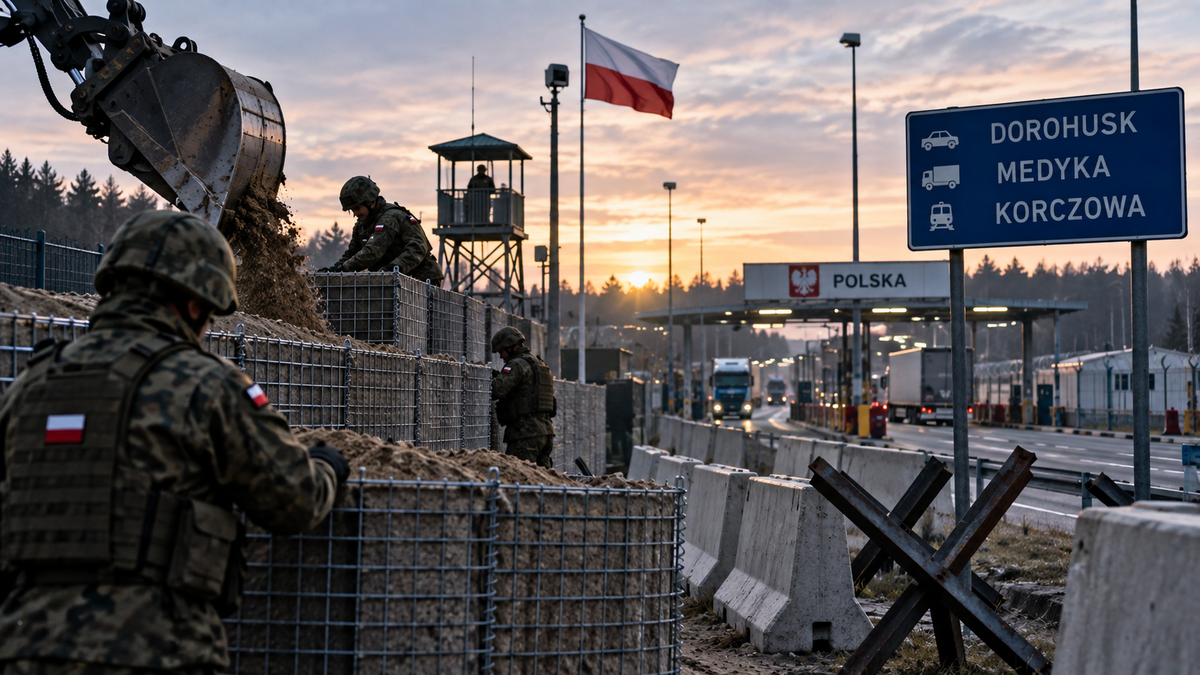
On 15 September, Polish Defence Minister Władysław Kosiniak-Kamysz said the government had decided to strengthen infrastructure used by the Border Guard because recent Russian actions threaten European security. The Polish Armed Forces' 18th Engineer Regiment is already carrying out work to reinforce checkpoints and adjacent infrastructure near the Polish-Ukrainian border, including near the crossings at Dorohusk, Medyka and Korczowa. According to the official army command statement, engineers are building collapsible, wire-mesh-lined containers filled with sand or gravel that function as blast walls or retaining structures, along with observation and guard posts.
The decision follows the 13 September strike in the Yahodyn-Dorohusk corridor, already covered by BSM — when a drone hit the locomotive of the Kyiv-Warsaw passenger train roughly 2 km from Poland, and a separate strike hit a truck about 800 metres from Polish territory. According to Poland's official Border Guard system, all three crossings continued operating normally on 15 September.
BSM analysis: This marks a shift from warnings, air alerts and temporary operational responses to physical military hardening of border infrastructure. Poland already runs a broader eastern-border engineering program, Tarcza Wschód (East Shield), under which the Polish General Staff plans to fortify more than 200 km of border by the end of 2026, including preparations to block road and rail crossings. The current measures on the Ukraine border are significant precisely because they're being implemented separately and directly in response to recent Russian strikes near Poland, rather than as a mere continuation of previously planned work.
What's still uncertain
🟡 The announced engineering work doesn't by itself indicate Warsaw expects a deliberate Russian strike on Polish territory itself. These are precautionary measures following attacks that occurred extremely close to the border.
🟡 If Russia develops the attacks on Ukraine's western gateways into a sustained campaign, Poland could expand protection to additional railway terminals, logistics centers and crossings, or reinforce them with dedicated counter-UAS capabilities. No such wider deployment was announced alongside today's decision.
The earlier BSM WATCH item concerning Tusk's unspecified "direct threat" to a Polish crossing on 9–10 September remains unresolved: fresh searching produced no authoritative disclosure identifying that incident or connecting it directly to the subsequent Yahodyn strikes.
Regional context
Poland's crossings are critical civilian, commercial and military-support corridors connecting Ukraine with Europe. Hardening them improves the ability of Border Guard personnel and transport infrastructure to keep functioning during attacks immediately across the frontier.
For NATO's eastern flank, this is a concrete example of Russian military activity inside Ukraine already altering force-protection requirements inside NATO territory itself. The threshold here matters: Russia doesn't need to strike Poland directly to force Warsaw to spend military engineering resources protecting infrastructure from blast effects and nearby drone attacks.
The Baltic relevance is direct at the logistics-planning level. Reinforcement routes through Poland toward Lithuania, Latvia and Estonia depend on similarly concentrated rail, road and border nodes. Poland's response shows that protecting these corridors increasingly combines physical blast protection, observation positions and continuity arrangements alongside conventional air defense.
Bottom line
Poland is likely to maintain, and potentially expand, physical protection around key Ukraine-facing crossings as long as Russian strikes remain concentrated around western Ukrainian logistics infrastructure. The real signal from today's decision isn't the scale of the work itself — it's that Warsaw is already treating the threat as networked rather than localized, and building protection accordingly.
Baltic Security Monitor (osint-baltic.com) — an analytical outlet covering security on NATO's northeastern flank. Compiled from open sources and BSM's automated OSINT monitoring system.