Moscow Rejects a Maritime Truce: The Black Sea Stays Part of the War, With No Separate Rules for Civilian Shipping

Baltic Security Monitor | Analytical Brief Snapshot: 14 August 2026, 20:00 · Task run: 20:02–20:03 (Europe/Tallinn)
What happened
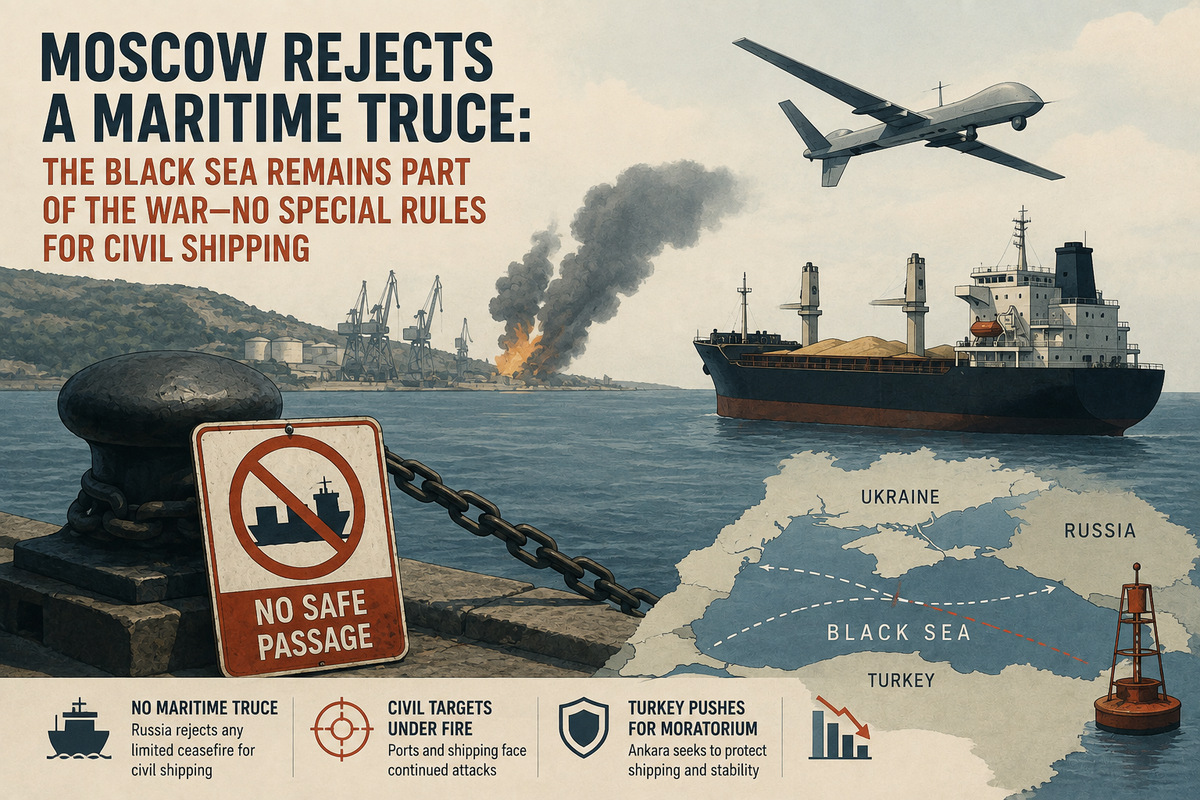
On 14 August, Russia publicly dismissed the idea of a limited ceasefire covering civilian shipping and commercial infrastructure in the Black Sea. Foreign Ministry spokesperson Maria Zakharova rejected what she called "half-measures" that would supposedly give Ukraine breathing room while the wider war continued. Zakharova accused Ukraine of "brazen acts of terrorism" against shipping without mentioning Russia's own attacks, described the situation as "a deliberate policy aimed at destabilizing civilian shipping in the Black Sea region," and explicitly ruled out returning to the 2022–23 Black Sea Grain Initiative brokered by Turkey and the UN. Moscow also said it had not received a formal Ukrainian proposal through official channels. (Reuters, 14 Aug 2026)
The statement came in response to Turkish Foreign Minister Hakan Fidan, who said publicly that Ankara had put proposals to both sides for a moratorium on military operations in the Black Sea. Reuters had reported on 13 August that Ukraine transmitted, via a third party, a proposal for both sides to stop attacking civilian Black Sea targets. (Reuters, 13 Aug 2026)
The issue has become operationally significant, not merely diplomatic. Recent Russian attacks have sharply cut Ukrainian grain exports, while Ukraine's 12 August strike on Novorossiysk damaged Russian port infrastructure and temporarily halted the main grain terminal. Turkey has separately protested repeated attacks on civilian and Turkish-linked shipping, after drone strikes in August injured crew members on two Turkish vessels. (Reuters, 12 Aug 2026, Reuters, 4 Aug 2026)
Until now, the Black Sea moratorium sat at WATCH status because the specific proposal rested on source-based Reuters reporting, and Russia only said nothing had reached it formally. That's different from what happened today: Moscow has now publicly and substantively rejected the concept of a limited maritime ceasefire on the terms currently being discussed — which materially lowers the odds that Turkish mediation produces anything resembling the 2022–23 grain corridor in the near term.
What changed
The core shift is from procedural denial to substantive rejection. Previously Russia only said it hadn't formally received a proposal; now its Foreign Ministry has made clear it doesn't support a limited maritime ceasefire on the terms on the table, and explicitly ruled out reviving the grain-initiative format. (Reuters, 14 Aug 2026)
BSM analysis: Zakharova's statement symbolically merged two separate threads — Ukraine's proposal via intermediary and Fidan's public moratorium initiative — and answered both with a single rejection, branding them "half-measures." That closes off the diplomatic ambiguity that existed the day before: Moscow can no longer plausibly claim neutral non-receipt; it is now publicly opposed to the idea of separating civilian shipping from the rest of the war.
Turkey's position and the price of the standoff
Fidan's proposal didn't come out of nowhere. During a July visit to Kyiv, Turkey's foreign minister proposed a moratorium specifically on two target categories — energy infrastructure and Black Sea assets — arguing that the conflict had "spread across the whole Black Sea," from strikes on ports and warships to indiscriminate attacks on civilian shipping. Ukraine backed Turkey's proposals on shipping and energy-logistics security. After August drone strikes injured crew on two Turkish vessels, Turkey began restricting commercial vessel movement toward the Black Sea. (Türkiye Today, Jul–Aug 2026)
Reuters reported that Ukrainian grain exports in August were running 76% below the same period last year, while attacks on ports and vessels have driven up insurance, shipping and infrastructure risk. (Reuters, 13 Aug 2026)
Regional context: the Baltic parallel
The broader takeaway is that commercial maritime infrastructure is becoming more entangled with military coercion, not less. Russia is refusing to separate the maritime-economic domain from the wider war at the exact moment Ukraine is demonstrating it can impose real costs on Russian Black Sea ports.
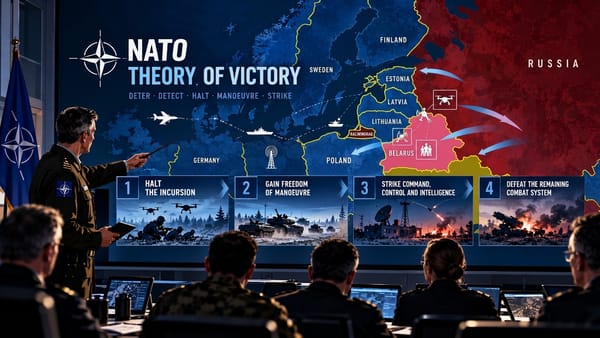
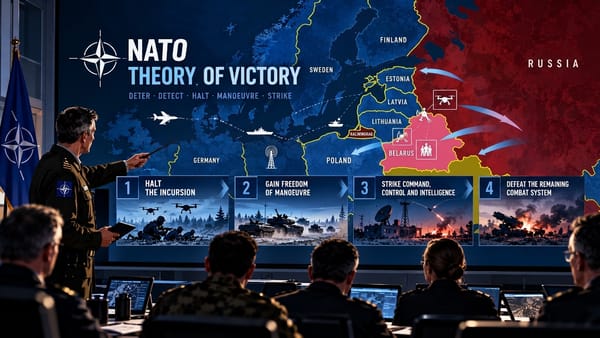
That precedent bears directly on the Baltic Sea, where Russian oil exports, shadow-fleet shipping, NATO maritime surveillance and European sanctions enforcement increasingly operate in the same contested space. The Black Sea shows how quickly strikes on military logistics can spill into global commodity flows and third-country shipping — a pattern already partly visible in the Baltic through pressure on the shadow fleet and export infrastructure.
Likely implications
A near-term Turkish-brokered Black Sea moratorium is now unlikely unless Moscow substantially shifts its position or extracts concessions in a broader negotiation. 🟡
Ukraine will likely keep distinguishing between Russian military or sanctioned maritime targets and third-country civilian shipping, particularly after Washington separately pressed Kyiv to avoid strikes on CPC-linked and qualifying non-Russian vessels. 🟡
Continued strikes on Ukrainian ports and Russian export infrastructure could keep grain markets and commercial shipping exposed to periodic disruption, while adding pressure on alternative Ukrainian routes via the Danube, Moldova and the EU. 🟡
Bottom line
14 August marks a shift from diplomatic ambiguity to a public, substantive refusal: the Black Sea remains fully part of the war, with no separate legal regime for civilian shipping. For Ukraine's grain exports and regional maritime trade, that means continued periodic risk with no structural fix in sight. For the Baltic region, it's further evidence that commercial maritime infrastructure can no longer be treated as separate from military targeting.
Baltic Security Monitor (osint-baltic.com) — an analytical outlet covering security on NATO's northeastern flank. All OSINT coefficients are calculated by an automated indexing system based on open sources.