Ukrainian Drones Break Through to the Moscow Refinery: Biggest Attack on the Russian Capital Damages a Key Fuel Site

Baltic Security Monitor | Analytical Briefing Digest: 20 September 2026, 08:00 (Europe/Tallinn)
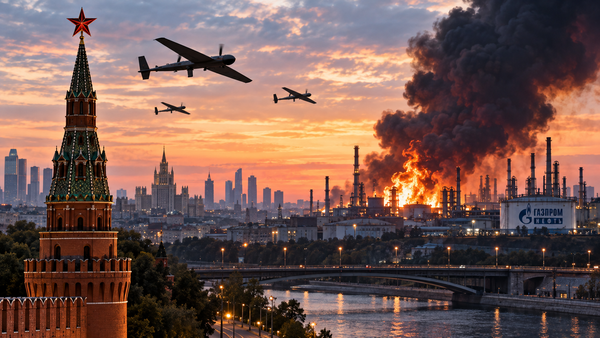
Six days ago, Trump posted on Truth Social that Ukraine and Russia had agreed not to strike each other's energy facilities. Zelensky's response was immediate: he wasn't convinced Putin would honour it. Overnight on 20 September, on the final day of Russia's parliamentary elections, Ukrainian drones proved him right — with fire and smoke over Kapotnya, just 16 kilometres from the Kremlin.
The lead event: the biggest attack on Moscow
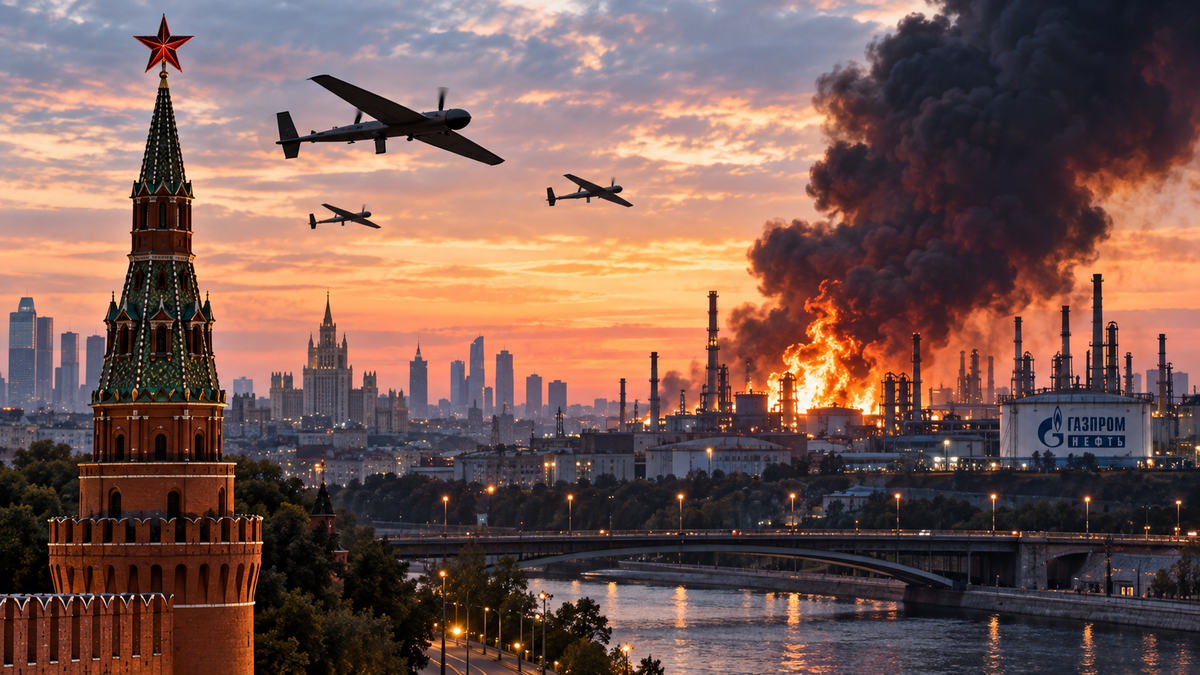
Overnight on 19–20 September, a large-scale drone attack reached Moscow. At 06:26 local time — before BSM's morning cycle — Moscow Mayor Sergei Sobyanin officially confirmed damage to a facility on the grounds of the Moscow oil refinery in Kapotnya. Reuters independently confirmed the strike and smoke rising from the plant, characterising the operation as the largest known drone attack on Moscow to date. AP also reported an unprecedented scale.
Russian official figures for the attack's scale are large and inconsistent: Sobyanin's own statements ranged from 152 to 450 drones aimed specifically at Moscow, while Russia's defence ministry cited over 1,100, and later figures put the total intercepted across Russia and occupied Crimea since Saturday above 1,600. 🟡 These are Russian claims and should not be treated as independently verified. What is confirmed is narrower: part of the attack penetrated air defences and caused physical damage to the Moscow refinery. Reuters reported two deaths in the wider Moscow region — separate from the refinery itself, where no casualties were initially reported.
BSM analysis: Sobyanin explicitly called the attack deliberately timed to disrupt the elections — a claim worth reading as political framing rather than established fact. Notably, the strike landed on the final day of State Duma voting, handing the Kremlin a convenient external-threat narrative on election day rather than a conversation about its own air-defence gaps.
Context: the target and the wider campaign
The Moscow refinery in Kapotnya, operated by Gazprom Neft, ranks among Russia's ten largest, processing up to 11–11.6 million tonnes of crude annually and supplying roughly 40% of the Moscow region's fuel market and up to 70% of regional demand for petrol and aviation gasoline. Monitoring channels have suggested, without confirmation yet, that the ELOU-AVT-6 unit may have been hit.
This is not the plant's first strike this year: on 16 June 2026, an attack damaged its CDU-6 unit, which accounted for roughly 53% of the facility's capacity. The 20 September strike extends a sustained campaign against Russian oil refining — Reuters reported on 15 September that half of Russia's top diesel-producing refineries had already cut output after a series of strikes; on 28 August, drones set fires at the Slavneft-YANOS refinery in Yaroslavl (one killed, 27 injured); and on 5 August, at the Bashneft-UNPZ refinery in Ufa, more than 1,400 km from Ukraine.
Correction: the "energy truce" that never actually held
One piece of context absent from the original digest deserves attention. On 14 September, US President Donald Trump posted on Truth Social that Ukraine and Russia had agreed to stop striking each other's "energy targets" — a move he tied to reducing global diesel prices. He gave no start date, duration or enforcement mechanism.
Neither side confirmed the deal publicly and unconditionally. Zelensky said Ukraine would guarantee a corresponding pause only if partners could secure a genuine commitment that Russia would stop attacking Ukraine's power grid, critical infrastructure and food-supply routes — a conditional, not unconditional, position. The Kremlin avoided direct comment; spokesman Dmitry Peskov merely "welcomed" the call for Ukraine to halt strikes.
BSM analysis: The Kapotnya strike is not a breach of a firm agreement — no such agreement was ever confirmed by both sides — but a demonstration that Trump's announced arrangement remained a rhetorical framing rather than an actual restraint regime. Both sides have effectively continued striking each other's energy infrastructure.
Why it matters for Ukraine and the Baltic region
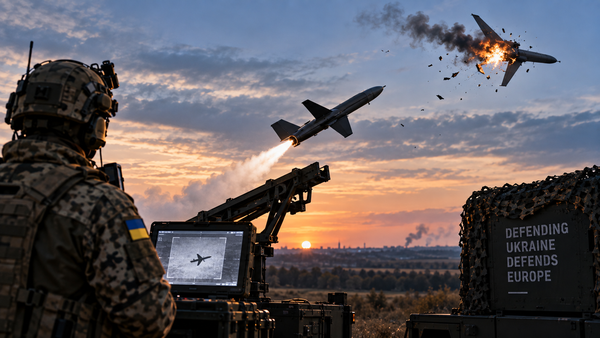
The attack shows Ukrainian long-range strike capability can penetrate Moscow's layered air defences in numbers sufficient to hit strategic fuel infrastructure. For the Baltic and eastern-flank context, the relevance is indirect but real: Russia must spread limited air-defence, EW and counter-UAS assets across a growing number of targets deep in its own territory, simultaneously with the war against Ukraine and maintaining forces facing NATO.
The cumulative effect matters most: a single refinery strike doesn't by itself define the state of Russian oil refining, but a series of confirmed shutdowns and output cuts already makes the campaign a systemic pressure factor on Russia's fuel balance.
Bottom line
The key indicator to watch next is the refinery's operational damage: which process units are down, for how long, and whether actual throughput or diesel/petrol output has changed. A confirmed extended shutdown of a major unit — as happened with CDU-6 in June — would be a separate material development. Also worth watching is whether the Kremlin uses this strike as a pretext to formally abandon the announced "energy truce," given that no real restraint regime existed in practice anyway.
Baltic Security Monitor (osint-baltic.com) — an analytical publication on security along NATO's north-eastern flank. Prepared from open sources (Interfax, Reuters, AP, The Moscow Times, Ukrainska Pravda, United24 Media, NV) and an automated monitoring system.