Moscow and Kyiv Agree to a Pause on Capital Strikes: US Shuttle Diplomacy Produces Its First Concrete Operational Result

Baltic Security Monitor | Analytical Brief As of 5 September 2026, 20:00 EEST
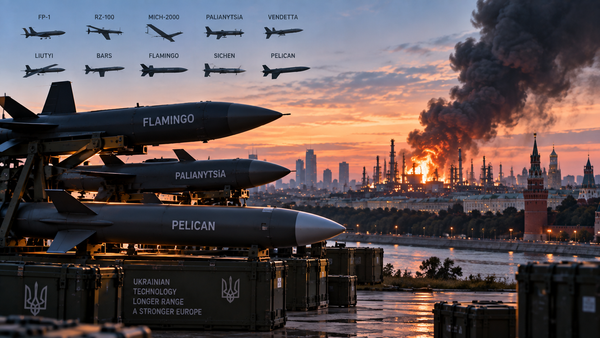
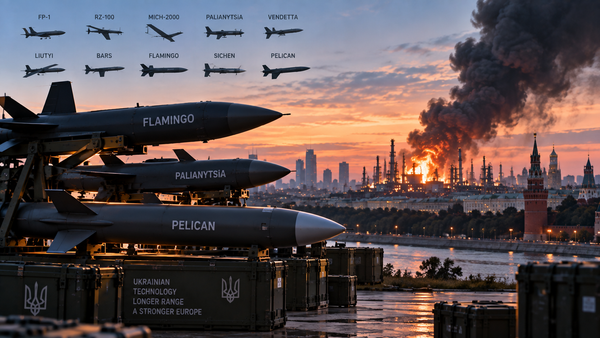
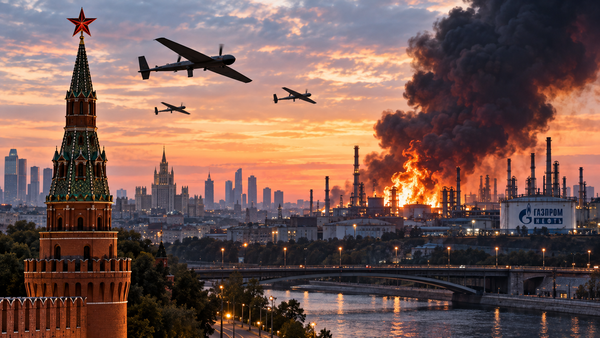
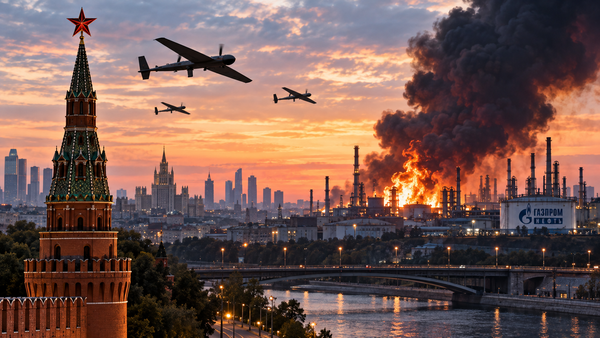
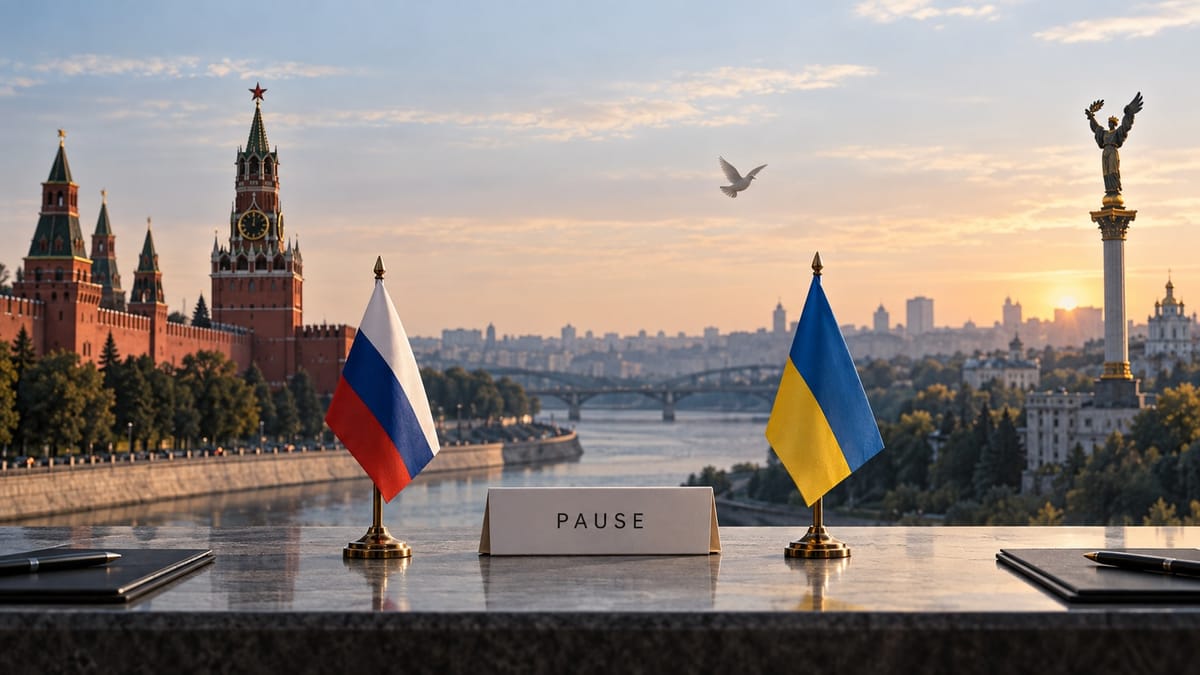
On 5 September, Russia and Ukraine agreed to a temporary pause on strikes against each other's capitals while US special envoys Steve Witkoff and Jared Kushner shuttle between Moscow and Kyiv. Kremlin spokesman Dmitry Peskov told TASS that Putin had ordered a halt to strikes on Kyiv for three days starting at midnight Saturday, saying the decision was "connected with the preparation for and conduct of the Americans' contacts in Kyiv," where the delegation is due to arrive Sunday. President Zelenskyy said Ukraine was ready to refrain from strikes on Moscow "from now through the end of Saturday, as well as on Sunday and Monday," and said he expected Russia to mirror that restraint regarding Kyiv. AP and Reuters independently confirmed the arrangement.
Notably, on the same day, before the pause took effect, Zelenskyy reported that Russian missiles had struck two airports near Kyiv, including Boryspil, which used to handle international flights. "Evidently, these Russian strikes on airports are a reaction to discussions and preparations regarding the possibility of the American side using an aircraft to arrive in Ukraine," he said. Since the war began, foreign leaders have traveled to Kyiv by rail from Poland; it remains unclear whether the strikes will alter the US delegation's travel plans. Peskov also confirmed Putin would meet Kushner and Witkoff in Moscow that same day, but said there was "no talk of new ideas" for ending the conflict. For Witkoff and Kushner, this will be their first visit to Kyiv since Trump returned to office.
The notable part isn't the visit itself — Witkoff and Kushner's trip to Moscow and Kyiv was already known in advance. What's new is that this round of shuttle diplomacy has, for the first time, produced a concrete, if very limited, operational result: an actual, mutually observed pause in strikes on the two capitals, rather than just diplomatic signaling or statements of intent.
BSM analysis: a pause, not a ceasefire — and one that opened with asymmetry and an airport strike
It's worth not overstating the scale of this arrangement. This is a narrow, geographically limited, and time-bound pause — not a general ceasefire. Fighting elsewhere along the front continues unchanged, and no agreement has been announced covering energy infrastructure, Black Sea operations, or territorial questions. Even the wording of the pause differs slightly between the two sides: Putin ordered a halt "for three days starting at midnight Saturday," while Zelenskyy spoke of Ukraine's readiness to refrain from striking Moscow "through the end of Monday" — roughly overlapping but not identically framed timeframes on each side.
Even more telling is that the pause began against the backdrop of a strike on Boryspil and another airport near Kyiv — which, in Zelenskyy's account, was directly connected to discussions over the possibility of the US delegation flying in. That illustrates the fragility of arrangements like this one: even preparations for talks about limiting strikes were accompanied by a strike Kyiv links directly to the logistics of those same talks.
Why it matters for Ukraine and the Baltic region
For Ukraine, this is the first concrete operational outcome of the current Witkoff-Kushner shuttle. It offers a practical test of whether Moscow and Kyiv can negotiate, communicate, and observe narrowly defined restraints while much larger political differences remain unresolved.
For NATO's eastern and north-eastern flank, a functioning deconfliction mechanism carries broader relevance for escalation management and the trajectory of the war overall. It doesn't change NATO's posture or Ukraine's security position, but it shows that mutually observed restrictions on specific target categories or geographic zones remain negotiable — even in the midst of active fighting.
Bottom line
The key distinction to keep in focus is the difference between temporary restraint that facilitates diplomacy and an actual ceasefire process. There is currently no evidence for the latter: Reuters reports the fundamental disputes over territory, security guarantees, and the architecture of a final settlement remain substantial. If both sides observe the three-day pause, US mediators may try to expand the model to other categories of long-range strikes or specific infrastructure targets. A confirmed breach by either side, conversely, would quickly demonstrate the arrangement's limits and could complicate the Kyiv leg of the US shuttle diplomacy.
UPDATE: Pause violated. Despite announced 3-day halt on Kyiv/Moscow strikes for Witkoff/Kushner shuttle, RU launched further attacks overnight on Kyiv + Boryspil airport — after hitting 2 airports earlier Sat. Zelenskyy: Kyiv takes note, will adjust ops next week. Fragile deconfliction failed <24h.
Baltic Security Monitor (osint-baltic.com) — an analytical publication covering security on NATO's north-eastern flank. All OSINT indices are calculated by an automated indexing system based on open sources.